Author: Masayuki (Yuki) Kawagishi

  • Central Pacific Bank’s aggravation / セントラル・パシフィック・バンクの改悪

    Central Pacific Bank’s aggravation / セントラル・パシフィック・バンクの改悪

    日本文が後ろに続きます。

    In the mailbox beneath my apartment room, I found a letter from Central Pacific Bank, a Hawaiian bank I’ve kept my account for almost 15 years, saying that it had changed the policy for customers with Non-Resident Alien (NRA). According to the new policy effective April 1 this year, the bank will deduct $20 of monthly service charge from accounts of NRA customers if they don’t keep at least $10,000 in total in their accounts.

    (more…)
  • The words of the year 2021 / 2021年のキーワード

    The words of the year 2021 / 2021年のキーワード

    日本文が後ろに続きます。

    The last day of each year is when I look back at what happened, what I encountered, and what impressed me much throughout the year. Then I summarize them up into some words as “the words of the year.” For example, the words of the year 2020 were Synapusyuthe handgun, and computer programming. The words of the year 2019 were HokkaidoMercari, and Grand Cherokee.

    Sadly, I haven’t experienced very many things that impressed me this year. Owing to the COVID-19 pandemic, the state of emergency was issued nationwide in most months. As a result, I could do nothing but stay home all day long, go out shopping at the nearest supermarkets, or drive a car just a few miles away from my house. 

    Even on such monotonous days, I did some new things. Summarizing this year, the words of the year 2021 were Google MapsYurie Omi’s resignationTokyo Games, and death games.

    (more…)
  • My Jeep has been saved / 私のジープは救われた

    My Jeep has been saved / 私のジープは救われた

    日本文が後ろに続きます。

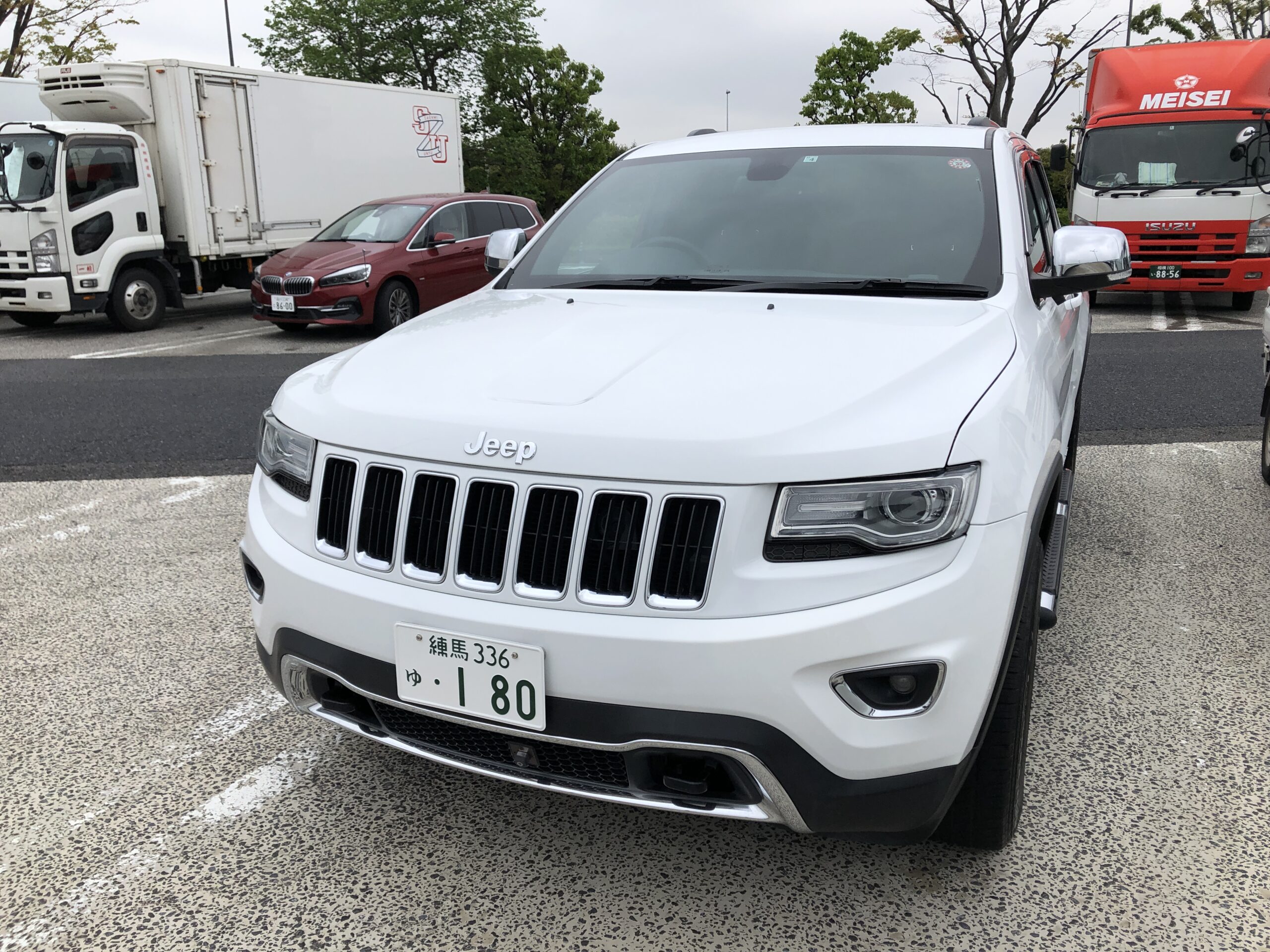
    I wrote in this entry that the garage was about to be closed and that I had to move my Jeep Grand Cherokee away from it before the closing day (Dec. 31). I also said that if no other parking space was available, I had to sell my car. Luckily, the real estate agent of the garage recommended another one to become available. The monthly parking fee will be higher than now, but it’s okay. Now I don’t have to let go of my car.

    ここのエントリで書いたように、ジープ・グランドチェロキーを借りている駐車場が今月末で閉鎖になるため、それまでに移動させなければならないこと、もし代わりの駐車場が見つからなければ車を売らなければならなかったんですが、ラッキーなことに、今借りている駐車場の不動産屋さんが代わりの駐車場を紹介してくれました。今より月々の駐車場代は高くなりますが、まあいいでしょう。これで車を手放さずにすみそうです。

  • Garage closure / 駐車場が閉鎖

    Garage closure / 駐車場が閉鎖

    日本文が後ろに続きます。

    The real estate company managing the garage I rent monthly for my Jeep Grand Cherokee is announcing that the garage is being closed at the end of December and requesting all renters to leave it by the time. This closure is because, as the company says, the garage owner died these days, and its successors have to sell the land of the garage to pay the inheritance tax for it.

    I have used the garage since March 2013, as introduced in the above blog post. Since then, I have replaced two cars until now. It is very convenient, of spacious room, and reasonable monthly rent.

    Anyway, what I have to do now is to find another parking space, yet it is not easy. No real estate companies and find-parking agents seem to be able to offer a garage for my car. So if I can find no garages by the end of December, that means I can no longer keep owning my car.


    ジープグランドチェロキーを借りている駐車場を管理している不動産会社が、その駐車場が12月末で閉鎖されるのでそれまでに退去するように求めてきました。なんでも駐車場のオーナーに相続が発生したらしく、駐車場の土地を売らないと相続税が払えないからなんだとか。

    この駐車場は2013年3月から使い続けていて、今までの間に2台もクルマを入れ替えています。便利だし広いし安いしで気に入って使っていました。

    ともあれ、今やるべきことは代わりの駐車場を探すことなんですが、これがうまくいかなくて、どこも空いているところがないのだとか。このまま12月末までに代わりが見つからなければ、それはクルマを持ち続けることがもはやできないことを意味するのです。

  • The words of the year 2020 / 2020年のキーワード

    The words of the year 2020 / 2020年のキーワード

    日本文が後ろに続きます。

    It is time for me to look back at what I experienced this year and summarize it in some words, as I do it every year-end. This year, COVID-19 has affected a great deal to the lifestyle of people all over the world, including myself. I have been forced to stay home and work from home for most days of this year. 

    Despite such restricted situations, I encountered some new things. The words of this year are Synapusyuthe handgun, and computer programming.

    Synapusyu is TV Tokyo’s morning program for infants ranging from 0 to 2 years old. Since it launched in April this year, it has been entertaining them with songs, animations, music, gimmicks, arts & crafts, and more. It is not so much a childish toddler program as an entertainment show. Up-and-coming artists offer materials to this program, and most of their artworks enchant not only babies but adults like me. These days I watch it regularly when I prepare for getting to work every weekday morning.

    I was interested in the handgun during the shelter period from March through May. I got to know from books and YouTube videos about handgun brands—not only traditional brands I had known since childhood, such as Colt, Smith & Wesson, Luger, Beretta, and Walther but also the latest brands like Glock, Desert Eagle, SIG Sauer, and Heckler & Koch. I taught myself how automatic handguns work and how to handle them, keep them, and fieldstrip them properly. I bought (gas) guns online and got used to using them. I did everything except for using real firearms.

    Through these experiences, I found out how different they were from what I had seen on TV dramas, movies, and animes when I was a little boy. I think that, unlike fiction, it is tough to hit the moving target you aim at with a pistol. I don’t believe that you should overestimate handguns as a self-protective weapon. To shoot the enemy who has a sword and is about to attack you, you have to do a series of things—getting the gun and the magazine out of where they are stored, inserting the magazine into it, sliding the slider backward to cock the hammer and load a bullet to the chamber, aiming at the target with front and rear sights, and setting the safety lever to the fire position. Before completing these things, your opponent will get within proximity of you and kill you. I found out that the handgun was not mightier than the sword.

    Besides, getting in touch with computer programming is one of this year’s most remarkable experiences. I had been away from it for over 15 years because I was busy with work. Since I got a little free time this year because of the shelter-in-place, I opened a GitHub account and began writing codes. I was amazed at how rapid the changes in computer technologies had been for 15 years. But, thanks to today’s open-source programming languages and easy-to-use integrated development environments, I got used to the new languages relatively quickly. For half a year, I’ve had a smattering of Python, Javascript, JQuery, Go, SwiftUI, Kotlin, Julia, and PHP, using IDEs like PyCharm, Anaconda, Xcode, and Visual Studio Code. Some languages were easy to learn, and some weren’t. I’m still far from catching up with cutting-edge computer technologies, but now I can at least make some small-sized programs, small apps, and medium-sized web systems.

    The words of the year 2019 were HokkaidoMercari, and Grand Cherokee. Those of the year 2018 were cashlessJapanese language, and comeback, and those of 2017 Yurie OmiNHKshingles, and English exams. For 2016, the words were traveling to places in Japanmapping, and Jeep. Like this, I summarized the year 2015 in Maine, United StatesEstonia; and transfer of workplace. In 2014, I experienced England and Android. In 2013, AyurvedaKoreahigh school alumni, and Tsuyoshi Takashiro were what I encountered. The words of 2012 were Ojithe mahjongthe flight attendant, and Facebook. The words of 2011 are the carthe British culture, and China.

    I don’t think the next year will be a better one. COVID pandemic is far from ceasing, Japanese politicians are losing their ways, and the newborn pro-China administration in America will be harsh to my country. Despite that, an individual has to get through such difficult situations. I think all I will do is nothing but preparing for whatever will happen by brushing up my English and IT skills and distributing dispersively all of my resources, including monetary assets and tangible ones.


    今年も恒例の、毎年経験したことをキーワードにまとめる時期がやってきました。今年は世界的にコロナ禍が人々の生活を大きく変えましたが、私も例外ではなく、一年のほとんどの日でステイホームとテレワークを強いられたのでした。

    とはいえ、こんな年でも新しい出会いというのはあるもので、今年のキーワードとしてはシナぷしゅ拳銃プログラミングをあげたいと思います。

    シナぷしゅとは、今年の4月に始まったテレビ東京の0歳〜2歳を対象とした朝のテレビ番組で、歌やアニメ、音楽、ギミック、アートワークなどなど、先進的なアーティストが素材を提供しており、対象となる赤ちゃんだけではなく、私のような大人にとっても刺激になる内容で、最近では平日の朝の仕事前に定期的に見るまでになったのでした。

    3月から5月のステイホームの時期には、拳銃にも関心を持ちました。子供の頃にも興味はあったんですが、その頃知っていたコルトやスミス&ウェッソン、ルガー、ベレッタ、ワルサーなどの古くからある拳銃ブランドだけでなく、ユーチューブや本などを見て、グロックやデザートイーグル、シグサウアー、ヘックラー&コッホといった最近のブランドについても知りました。また自動式拳銃の動作や、正しい扱い方、保管の仕方、分解の仕方なども独学で知りました。そして(ガスガンですが)銃を通販で買い、使い方に実際に触れてみました。実銃を使う以外のことはすべてやったかと思います。

    これらの経験から、拳銃は、子供のころにドラマや映画やアニメで見たのと全然違うということがわかりました。フィクションとは違って、動く的を狙ってピストルでちゃんと当てることは難しいことだとわかりました。拳銃は護身用の武器としてはあまり期待できないと思います。刀を持って襲いかかってくる敵を撃つためには、銃と弾倉を保管場所のカバンから取り出して弾倉を銃に挿入し、遊底を後ろに引いて弾を薬室に送り、照準装置で相手を狙い、そして安全装置を外す、という一連のことをしなければなりません。そんなことしてる間に敵に間合いに入られて斬られてしまいます。拳銃は刀には勝てないということがわかりました。

    そして、プログラミングというのも今年の主な経験の1つです。これまで仕事が忙しく、15年以上プログラミングから遠ざかっていました。今年、ステイホームになって少し自由時間が増えたので、GitHubにアカウントを作ってコードを書き始めました。この15年間のコンピュータテクノロジーの進化ぶりは驚くばかりですが、最近は言語もオープンソースになりIDEも使いやすくなっていて、比較的早く新しい言語に慣れることができました。この半年で、Python、Javascript、JQuery、Go、SwiftUI、Kotlin、Julia、PHPなどの言語をかじり、IDEもPyCharm、Anaconda、Xcode、Visual Studio Codeなどいろいろ使ってみました。覚えやすい言語もあればそうでないのもありましたが、まだまだ最新のコンピュータテクノロジーに追いついているとはいえないものの、小規模なプログラムや小さいアプリ、中規模なWebシステムぐらいは作れるようになったかなと思ってます。

    2019年のキーワードは北海道メルカリグランドチェロキーでした。2018年のキーワードはキャッシュレス、日本語、復帰、2017年は近江友里恵NHK帯状疱疹英語の試験でした。2016年は、キーワードは国内移動地図作りジープでした。同様に、2015年はアメリカ(メイン州)エストニア、職場異動でした。2014年にはイギリスAndroidを経験しました。2013年に出会ったのはアーユルヴェーダ韓国高校の同窓生高城剛でした。2012年のキーワードは王子麻雀CAFacebookで、2011年のキーワードはクルマイギリス文化中国でした。

    来年もあまり良い年になる気がしません。コロナは収まる気配もなく日本の政治は迷走、アメリカに新しくできる親中政権は日本に辛く当たりそうです。それでも、個人はその中で泳ぎ切らなければなりません。英語とITスキルを磨きつつ、金融資産とタンジブル資産を含む自分のリソースを分散させて、何が起こっても対応できるように備える以外にはないと思っています。

  • The next US President and Japan’s future / 米国大統領選と日本の未来

    The next US President and Japan’s future / 米国大統領選と日本の未来

    日本文が後ろに続きます。

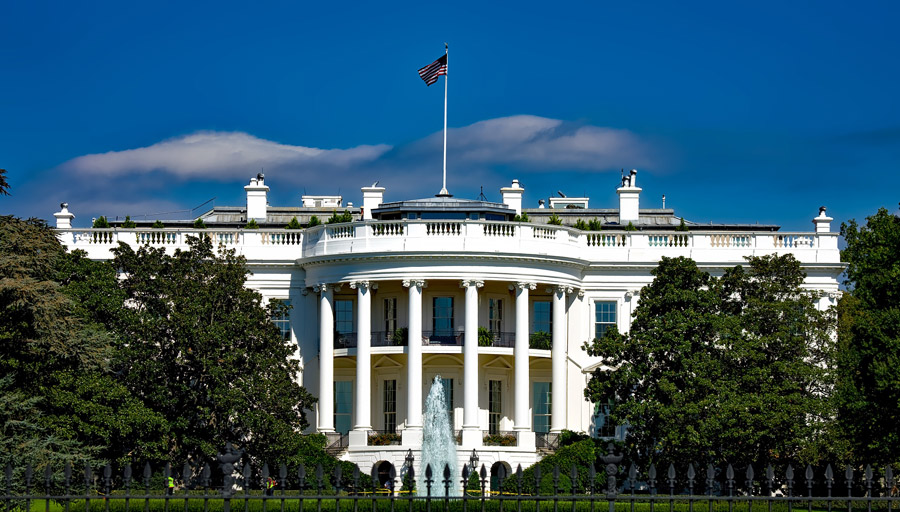
    Joe Biden made a victory speech as the President-elect today after mysterious ballot-counting processes. However, the Supreme Court of the United States will decide who the real winner is because President Donald Trump is filing cases to courts of several States on the results. No matter which will be the next President of the United States, his policies will affect Japan a great deal because the Fifth Air Force Commander, the head of the US-Japan Joint Committee, actually controls Japan’s politics.

    One of the significant concerns for the Japanese is the homeland security of our nation. Countries around Japan have repeatedly been threatening it for years, and the firm alliance between the United States and Japan has prevented it from falling into a deadly situation. Proper maintaining of the coalition between the two countries is the key for Japan to survive because it can’t stand alone without America’s help.

    Some say that the new President-elect has strong ties with China, as Mike Pence said in the vice-presidential debate, “Joe Biden has been a cheerleader for communist China over the last several decades.” Others say that his son, Hunter Biden, received money from China and Ukraine. These facts make many Japanese people anxious that they may jeopardize East Asia’s peace in the next four years.

    “Is Joe Biden going to make a deal with China to give the Senkaku Islands to it?” some Japanese are anxious. “Even if China or North Korea attacks Japan, America may pay no attention to it.”

    Once Joe Biden becomes the next POTUS, Japan’s only option is to fly to Washington immediately to ask him to maintain the strong relationship between the United States and Japan to secure the US Forces Japan for keeping the peace in the Indo-Pacific region. To do it is Prime Minister Suga’s critical mission.


    謎めいた開票作業を経て、ジョー・バイデン氏が勝利宣言を行いました。といってもトランプ大統領が複数の州で結果をめぐって提訴しているので、真の勝者は連邦最高裁が決めることになるのですが。ともあれ、どちらが次の大統領になったとしても、日米合同委員会のトップである第5空軍司令官に政治を押さえられている日本としては、大きな影響が出てきます。

    日本人にとって一番の関心事は国防でしょう。周辺の国がここ数年脅威をもたらしている中、強固な日米同盟によって致命的な状態に陥らずに済んでいるわけで、これを適切に維持することが日本の生き残りの鍵となるわけです。アメリカの助けなく自力で生きることは不可能な国ですから。

    バイデン氏は中国と強い結びつきがあると言われています。マイク・ペンス副大統領は副大統領討論会で「ジョー・バイデンはこれまで何十年もの間、中国共産党の応援者だ」といっていました。またバイデン氏の息子のハンター・バイデン氏は中国やウクライナから金銭を受け取ったとも言われています。これらの事実から、彼らが向こう4年間の東アジアの平和を危険にさらすのではないかと心配する日本人が多くいます。

    「バイデンは中国と取引をして尖閣諸島を中国に渡すのでは?」と心配する日本人もいます。「中国や北朝鮮が攻めてきても、アメリカは知らん顔をするかもしれない」

    ともあれ、ひとたびジョー・バイデン氏が次の米国大統領になったときは、日本のただ一つの取る道は、すぐにワシントンに飛び、日米同盟を堅持してインド太平洋地域の平和を守るように働きかけることでしょう。それをするのが菅総理の重要なミッションと思います。

  • Hong Kong is dead / 香港は死んだ

    Hong Kong is dead / 香港は死んだ

    日本文が後ろに続きます。

    Visiting Hong Kong was one of my favorites since I made the first trip there in 2004. I did it eight times until now. I loved to stroll on Sai Yeung Choi Street South where people were very cheerful and energetic, to enjoy wonton noodles, steamed duck, and gwilinggao at restaurants, to get Nokia’s brand new and second-hand smartphones and accessories at mobile phone shops of the Sincere Podium building in Mong Kok, and to open and use a bank account of HSBC Hong Kong. I saw the Big Buddha at Ngong Ping, visited a prison museum at Stanley, stayed at a hotel of Chungking Mansions, worshipped at Che Kung Temple, had a fortune-telling session at Wong Tai Sin Temple, and extended my journey as far as Macau and Shenzhen. All the memories of those places were impeccable.

    (English text follows after several Japanese paragraphs.)


    香港に初めて行ったのは2004年のことで、それ以来、すっかり気に入って、ここのブログでも何度もエントリを書いたり、フォートラベルの旅行記も書いたりするなど、リピーターになってしまっていました。

    香港高跳日記~梅窩から中環・100万ドルの夜景、黄大仙、尖沙咀~(フォートラベル)
    https://4travel.jp/travelogue/11698300

    香港〜前年のリベンジで香港大仏、先達広場、新界、そして香港バタフライ〜(フォートラベル)
    https://4travel.jp/travelogue/11698312

    また香港行ってきました(フォートラベル)
    https://4travel.jp/travelogue/11698329

    香港からマカオに足をのばす(フォートラベル)
    https://4travel.jp/travelogue/11698351
    https://4travel.jp/travelogue/11698352

    チョンキンマンションに泊まる蒸し風呂の夏の香港・深圳3泊4日の旅(フォートラベル)
    https://4travel.jp/travelogue/11698357
    https://4travel.jp/travelogue/11718114

    香港 ~銀座をブラブラ、大仏・大澳・太平山をめぐる旅~(フォートラベル)
    https://4travel.jp/travelogue/11718398

    元気をもらいに香港弾丸旅行~Apple Watchもゲット~(フォートラベル)
    https://4travel.jp/travelogue/11698375

    香港の魅力というと、西洋菜南街の活気、旺角の先達廣場でのノキアのスマホ物色、ローストダックや亀ゼリー、HSBCの銀行口座、いろいろありますが、やはり、ちょっとゆるくて自由な雰囲気が一番だったと思います。気分が沈んだ時に元気をもらえるというか。

    ということでかれこれもう8回訪港しています。

    (more…)
  • Revolution with Revolut / Revolutでレボリューション

    Revolution with Revolut / Revolutでレボリューション

    日本文が後ろに続きます。

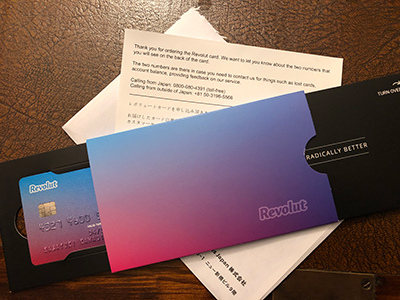
    I live in Japan. I have bank accounts in Japan to get a monthly income and make regular payments. Besides, I have bank accounts in the United States and Hong Kong to put some of my money into different banks in different places with different currencies to minimize the risk. I manage my assets in these countries because there are more options for investment than in Japan.

    A consideration is how to transfer the money you get in Japan to a foreign bank account. Wire transfer at a banking institute in Japan costs very much. I tried some online international money transfer services. All of these services require no less than 2,000 JPY of fee per transaction, so sending tens of thousand Yen with these services is costly.

    Having two Paypal accounts can resolve this problem. I got two Paypal accounts with my different email addresses and linked one of the Paypal accounts to a debit card of the bank account in Japan and the other to the bank account in the US. When money was credited to the Japan bank account, I logged in to the Paypal account linked to the debit card and sent money with the debit card to the Paypal account linked to the US bank account. Then I logged out and logged in to the other Paypal account, and I withdrew money credited to the account to the US bank account linked to the Paypal account. The fee is cheaper as long as you send a small amount of money. However, you cannot send money from Japan to Hong Kong because if you live in Japan, your Paypal account does not allow you to link to any bank accounts in Hong Kong.

    (more…)
  • Changes of the world from COVID-19 / アフターコロナでどう変わる?

    Changes of the world from COVID-19 / アフターコロナでどう変わる?

    日本文が後ろに続きます。

    COVID-19 is dreadfully spreading throughout the world, hospitalizing more than 3,100,000 people and taking the lives of more than 200,000 patients as of April 29, according to Johns Hopkins University. It is no exceptions here in Tokyo.

    The virus is forcing all people in the world to change their lifestyles. Many have been grounded for months. Essential workers, such as doctors, healthcare workers, firefighters, law enforcement officers, supermarket clerks, garbage collectors, delivery servicepersons, and staff involved in public transportation, work outside facing the fear of infection.

    I’ve been staying at my house in Tokyo for almost two months. Although the confirmed cases and the death toll in Japan are lower than those in the United States, there are hundreds of cases tested positive and dozens of casualties every day. People are requested to refrain from non-essential journeys and maintain proper social distancing like the US and other countries to avoid causing overshooting of patients. These days I work from home, watch TV, surf the internet, read e-books, have meals delivered at the door, eat them, and sleep in the bed.

    Nobody knows when this inconvenience ends. Some say that it will take 18 months for everything to get back to normal. Others say that it will never return to what it was before the outbreak. Since public health specialists say that the situation in Tokyo is three weeks behind that in New York City, the Metropolitan Government will probably lift the de facto lockdown no sooner than three weeks after NYC. As of today, no countries reopened business yet.

    I’m at home all day long, unless I buy foods at the grocery store or wash my laundry at the laundromat. I have much more time to think about what the world will become in forthcoming years. Here’s what I think the world will change:

    (more…)