Category: Wireless and Mobile 携帯・モバイル

  • iPhone5

    日本文が後ろに続きます。

    I got iPhone5. I kept Sony’s Xperia Android phone, but the iPhone is easier for me to use, with a wider variety of accessories sold all over the world than Sony.
    I haven’t got any Softbank’s nano-SIM card, so I went to the nearest DoCoMo shop to get a DoCoMo nano-SIM card for it, but they didn’t have any. I visited some other DoCoMo shops to ask for one, but none of them had it. Without a nano-SIM card, it couldn’t be activated, and it was just a small plate.

    A DoCoMo shop in Tochigi-shi thankfully said they had a nano-SIM card for iPhone5, although most DoCoMo shops in Tokyo said they didn’t have any. When I drove to the shop, there were dozens of people waiting in the queue. A shop clerk said I should wait for one hour and a half to be served, but I actually waited 30 mins or so before being served. I managed to get one, put it into my iPhone I had bought before and had it successfully activated.

    iPhone5をゲットしました。XPERIAも悪くはなかったんですが、iPhoneのが使いやすいのと、世界中でアクセサリーが充実しているので。
    近所のドコモショップに行ってnano SIMカードを発行してもらおうとしたものの、入荷待ちとのこと。他のドコモショップに言っても在庫なし。これがないとアクティベーションができないので、さしものiPhone5も単なる板。。。。

    都内のドコモショップはほぼ全滅でしたが、栃木市のドコモショップがnano SIMカードの扱いがあるとのこと。栃木までクルマを駆って行くと、すごい待ち時間。1時間半かかると言われましたが、実際には30分ほどで自分の番が来ました。なんとか入手し、iPhone5に入れて、無事にアクティベーションできました。

    2013-02-03 17.48.27.jpg

  • Off to Hong Kong / 香港行ってきます

    Gate 14

    日本文が後ろに続きます。

    I’m going to Hong Kong tonight. I last visited there six years ago. I’ll be back in Japan on Sunday 6th.

    Action items in Hong Kong: to get SIM-lock-free iPad2 and, if possible, iPhone4S at Mong Kok; registration of new address and passport number for my account of HSBC; and sightseeing at Stanley, Aberdeen, and Lamma Island.

    (more…)
  • Apples I’ve ever used

    私がこれまで使ってきたApple製品。

    • PowerBook 1400cs (1997/10 – )
    • Power Macintosh 6100 (1999/03 – )
    • iPod nano (2005/12 – )
    • MacBook Pro (2009/10 – )
    • iPhone 3GS (2010/03 – )
    • iPhone 4 (2010/12 – )

    …thanks to Steve. Rest in peace.
    スティーブ=ジョブズ教祖様に感謝。
    ご冥福をお祈りします。

  • My current mobile devices

    I bought Blackberry Curve 9300 in the middle of June for my main mobile phone I’m using daily and switched an account from b-mobile into NTT DoCoMo again by the Mobile Number Portability service. The b-mobile SIM card was what I got together with an iPhone 4 Hong Kong version. Still, the iPhone 4 was not so good for a telephone because its voice quality was not satisfactory and the manoeuvre was a little bit complicating. It’s just for web browsing, taking pictures and motion videos, playing games, and other utilities, not for talking. I think the best device for voice calls is that of Nokia, but Nokia doesn’t sell any mobile phones in Japan any longer. Out of the phones available in Japan, Blackberry is for me. That’s why I’ve got Blackberry again.

    Another reason why I chose Blackberry again is that it has a real QWERTY keyboard on the device, not displayed on the screen. You can type the keyboard to enter text, and doing this is much easier than touching the virtual keyboard on the screen. So I’m gonna use it for text messaging and email writing besides talking on it. Text messaging will be much more convenient because sending SMS to other carriers will be available next Wednesday.

    Although the iPhone is not so good for a telephone, it’s best for a camera and a communicator with plenty of applications. I’ve got a Softbank SIM card too, so I still use iPhone4 used so far on the main basis with the Softbank SIM card inserted in it.

    Now I’ve got three mobile phones carried with me —- Blackberry Curve 9300, iPhone 4, and a mobile phone, my employer, tells me to keep. Next, I want to have some tablets like iPad or Galaxy Tab 😉

  • Japan’s mobile environment today

    Sorry for not updating the blog for a long time. These days I’m hanging out on Facebook and Twitter, rather than writing blog entries. Please visit my Facebook page at http://www.facebook.com/masayuki.kawagishi or follow @_Yuki_K_ on Twitter 😉

    I see that the world of mobile phones is rapidly changing for years. Nokia, one of the dominant mobile phone manufacturers, is disappearing, and Apple is expanding the market with the iPhone, its flagship mobile phones with a music player, games, and other applications all-in-one. Following apple, various mobile phone manufacturers, from Samsung to small makers in China, are releasing smartphones with the Android operating system developed by Google.

    In Japan, I think that mobile phones are rapidly “globalised” in recent years. A few years ago all you could see here was the “Galapagos” handphones sold only within Japan and unavailable once you brought them out of Japan. But recently on the train or the streets, you see the same devices as those seen in the rest of the world — iPhones, Android smartphones, and even Blackberry phones (scarce though).

    More than that, this month I had good news showing Japan’s globalisation of the mobile phone environment. News says that from 13 July this year you can send text messages (SMS) to the mobile phones of the different carriers from yours. That is normal in the rest of the world, but that isn’t here in Japan — if you have a mobile phone sold by NTT DoCoMo, you can send SMS only to NTT DoCoMo users, not to au, Softbank, or any other carrier’s users. As the SMS gateways are closed to different carriers, you can rarely see here such services as balance enquiry, network configurations, service registrations, and purchasing something by sending text messages to service providers as you can see in Singapore, Hong Kong or some European countries. The opening of the SMS gateways will probably enable you to have such services even in Japan soon.

    Japan and the countries other than Japan don’t stand in the opposite. Japan is an extension of other countries, and any country is an extension of Japan. Anything available in the world must be available in Japan too.

  • I’ve got an iPhone4! / iPhone4ゲットしました!

    iPhone4_bmobile.jpg
    日本文が後ろに続きます。

    It’s a little bit late, though.

    I had used Nokia N82 with Softbank Mobile’s SIM card as a main mobile phone so far. I had told my friends the phone number of it. But it had been kind of inconvenient because it had had narrower signal reception areas than the mobiles of NTT DoCoMo so if you had gone underground or deep into a big building you couldn’t have had it communicated. More than that, (it’s the situation peculiar to Japan, though) you can send SMS only to the mobiles of the same carrier as yours. Most of my friends had NTT DoCoMo mobile phones, so I’d wanted to change the carrier of my handphone into NTT DoCoMo.

    NTT DoCoMo had released Samsung’s Galaxy S handphones in November, and they had been lovely for me, but they had been in such a short supply in those days that I couldn’t have got any. I’d given up waiting for one.

    At that time, Japan Communications had begun releasing b-mobile’s micro-SIM cards together with unlocked iPhone4 imported from Hong Kong. JC had been selling the imported iPhone4 to its customers on hire purchase. JC was providing mobile phone service using NTT DoCoMo’s network, so if you had a mobile with b-mobile’s SIM card installed you could use it in almost the same manner as NTT DoCoMo, including sending and receiving SMS to and from NTT DoCoMo’s phones.

    That’s why I purchased b-mobile’s micro-SIM card called “b-micro talkingSIM” and iPhone4. Before the purchase, I had cancelled the contract with Softbank Mobile and had the phone number used in it reassigned to the new micro SIM card so that I could use the same phone number as that I had told my friends.


    ちょっと遅い気もしないでもないですが……。

    電話番号を人に教えているメインの音声回線としてNokia N82にソフトバンクのSIMを入れて使ってたんですが、ソフトバンクはなにぶんエリアが狭くて、地下やビルの奥などでは電波が届かないことがままありました。それに、(日本特有の事情として)異キャリアにSMSが送れないというのがあり、周りにドコモユーザーが多い中、ソフトバンクだと不便を感じることがあったので、ドコモに変えたいという思いがありました。ドコモは11月にサムソンのGalaxySをリリースしたのでぜひ欲しかったんですが、なにぶん品薄で手に入らず……あきらめることにしました。

    ちょうどそのころ、日本通信がb−mobileのマイクロSIMカードと香港版SIMロックフリーiPhone4をセットで分割で売り出すプランを始めたというのを知り、これは渡りに船だとばかり、これでiPhone4をゲットしちゃおうと思った次第です。b−mobileならドコモのMVNOなのでドコモ携帯にSMSが送れますから。

    てことで、「b−micro talkingSIM」というb−mobileのマイクロSIMカードとiPhone4を買っちゃいました。買う前にMNPでソフトバンクを解約し、こっちに電話番号を移し替えました。

    bmobile.jpg
    b−mobileのSIMカードは完全にドコモのそれでした。ただb−mobile独自のAPN、ユーザー名、パスワードを手動で入れることになっており、さらにドコモが提供していないテザリング用の設定項目までついてました。

    マイクロSIMカードを切り取り、iPhone4のトレーに乗せて本体に挿入し、iTunesの動いているMacBookProとつないで電源を入れると……

    iPhone4_activated.jpg
    数分して無事にアクティベートされました。アプリもiTunesからダウンロードできましたし、連絡先やメールアカウントなどのデータもちゃんとシンクされています。もちろんドコモ携帯へのSMS送受信もバッチリです。

    Q-SIM.jpg
    おまけ:Q−SIM Dual SIM Card。マイクロSIMカードと普通のSIMカードを1本の薄いケーブルでつなぎ、2つのSIMカードを1台のiPhone4で使えるスグレモノです。ケーブルの一端をマイクロSIMカードとトレイではさみ、それを本体に差し込み、他方の端に別のSIMカードを入れて本体の背中側へ折り曲げ本体をケースに入れると、別々のキャリアの携帯番号が1台で使えるようになります。SIMカードの自動切り換えも可能です。

  • Singapore – the second day

    Singapore – the second day

    I purchased a prepaid SIM card with 3-day broadband service at the M1 counter in Changi Airport. Unlike normal mobile phones like Nokia, iPhone didn’t receive an APN or other network setting information needed for internet access. The M1 counter lady said I needed to bring the iPhone to the M1 shop at Paragon and have it installed settings there.

    MRT Changi Airport station
    MRT Changi Airport station

    I asked the MRT station staff where I could get to Paragon, and she answered I should go to Orchard station, so I took the MRT train to Orchard.

    Paragon
    Here’s Paragon. It was huge.

    M1 shop was on the B1 level. When I waited in line in front of the shop, a shop-girl came to me and asked what she could help me. I told her I wanted to activate internet service for my iPhone. Then she led me to the front of counters in charge of activation or other services and gave me a paper printed a queue number to let me wait until the number was called. Tens of minutes later, I was called by a counter girl. The activation took a little more time because my iPhone hadn’t been purchased at the M1 shop but in Hong Kong. Anyway, the activation was successful, and I could have access to the internet with my iPhone.

    After activation, I went to Little India.

    Little India
    There were dozens of gold jewellery shops on the streets selling golden stuff and buying items with gold. I wonder if there are many such stores in Asian cities.

    There were plenty of Indian restaurants as well. Below is one of the local restaurants. People were eating foods put on a banana leaf by hand, as people in India do.

    Because Singapore is very close to the Equator and today was the almost autumnal equinox, the Sun passes the top of the sky. This video is when the Sun was on the top at solar noon. Vertical sunshine can never be experienced in Japan.

  • Trip to Singapore and Malaysia / シンガポール・マレーシアの旅

    Trip to Singapore and Malaysia / シンガポール・マレーシアの旅

    日本文が後ろに続きます。

    I’m going on a trip to Singapore and Malaysia until next Thursday because we have the “Silver Week” in Japan, with two national holidays (next Monday and Thursday) and three days of leave. For me, this is this year’s second trip to foreign countries. As I have 20,000 miles of United Airlines’ frequent flyer program, I can get a round-trip ticket from Japan to South Asia. I chose Singapore because Singapore is the country where I enjoyed six years ago, and I have looked forward to visiting again. This time, I’m going to visit Johor Bahru and another city in Malaysia because they are close to Singapore and maybe I can have easy access to those cities.

    I’ll bring unlocked iPhone bought from Hong Kong other than regular cell phones I use daily, to use it at cheaper costs by replacing Softbank’s SIM card I always use in Japan with prepaid SIM cards I’ll get at destination countries. Skype is installed on the iPhone so that I can receive calls at any time regardless of countries I’ll be in, even if a phone number will be frequently changed.

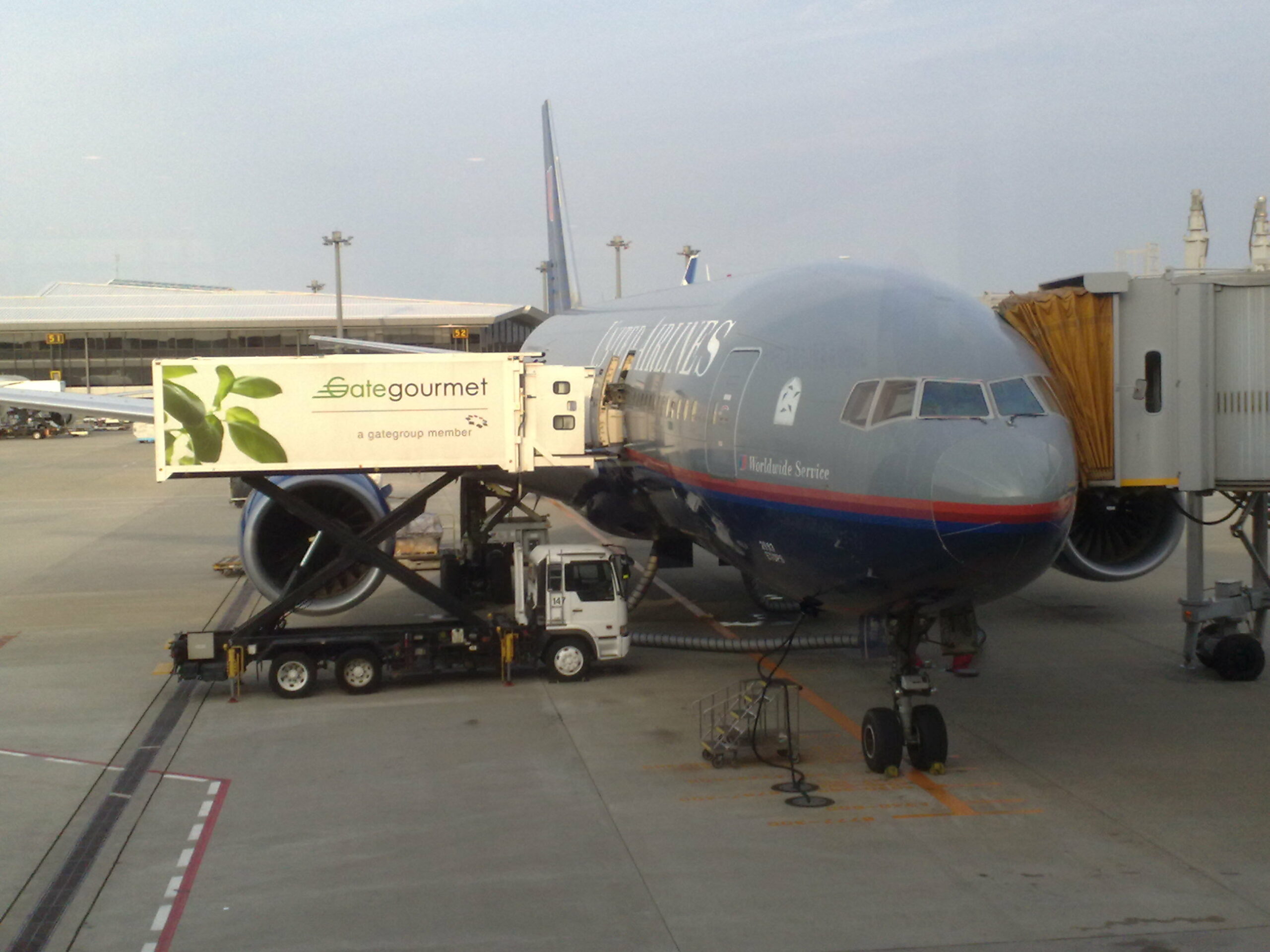
    UA803 to Singapore
    United 803 to Singapore

    The plane departed Narita at 1735 and arrived at SIN at 2330. It was earlier than scheduled. Seven hours’ flight in the economy seat of United Airlines was kind of tough, and I had severe back pain when I got off 🙁

    Arrival gate
    Arrival Gate

    Changi Airport immigration
    Immigration

    Arrival level
    Arrival Level

    シルバーウイークを利用して、今日から23日までシンガポールとマレーシアに行ってきます。台湾に続き今年2回目の海外です。ユナイテッド航空のマイルが2万マイルたまり南アジアに行けるようになったので(北アジアはNG)、6年前に行ったことのあるシンガポールと、ついでだからジョホールバルとかマレーシアの他の都市にも足をのばそうと思ってます。

    沢尻エリカの元旦那の高城剛氏の「サバイバル時代の海外旅行術」を大いに参考にして、香港版SIMロックフリーのiPhoneをメインに、現地でプリペイドSIMカードを入れ替えながらガンガン使おうと思ってます。着信用にはSkypeを入れておけば電話番号が頻繁に変わっても着信を受けることができます。他にもいろいろ真似をして、ソーラー充電器やらドクター・ショールやら、(効くかどうかわかりませんが)ホメオパシー・レメディーなどを持ってカリマー・エアポートプロ40のキャリーバックに詰め込みます。もちろん東急ハンズで買ったカードケースの中にクレジットカード、ATMカードから絆創膏、白いガムテープ(緊急に何かを貼るためのもの。文字が書けるように白いもの)、緊急用の100ドルと20ドルのキャッシュ、32GBのSDHCカード(顔写真やらパスポートのコピーやら携帯を落としたときのための連絡先やら人間ドックの身体データやらが入っている)に至るまで携帯していきます。財布も使わず、日本円と現地通貨の小額紙幣とチップ用の1米ドルを10枚、裸でポケットに突っ込みます(チップは使うかどうかわかりませんが)。

    旅行記のほうはフォートラベルに書いています。

  • Presentation by Ryuji Yamada / NTT DoCoMo山田社長の講演

    Presentation by Ryuji Yamada / NTT DoCoMo山田社長の講演

    日本文が後ろに続きます。

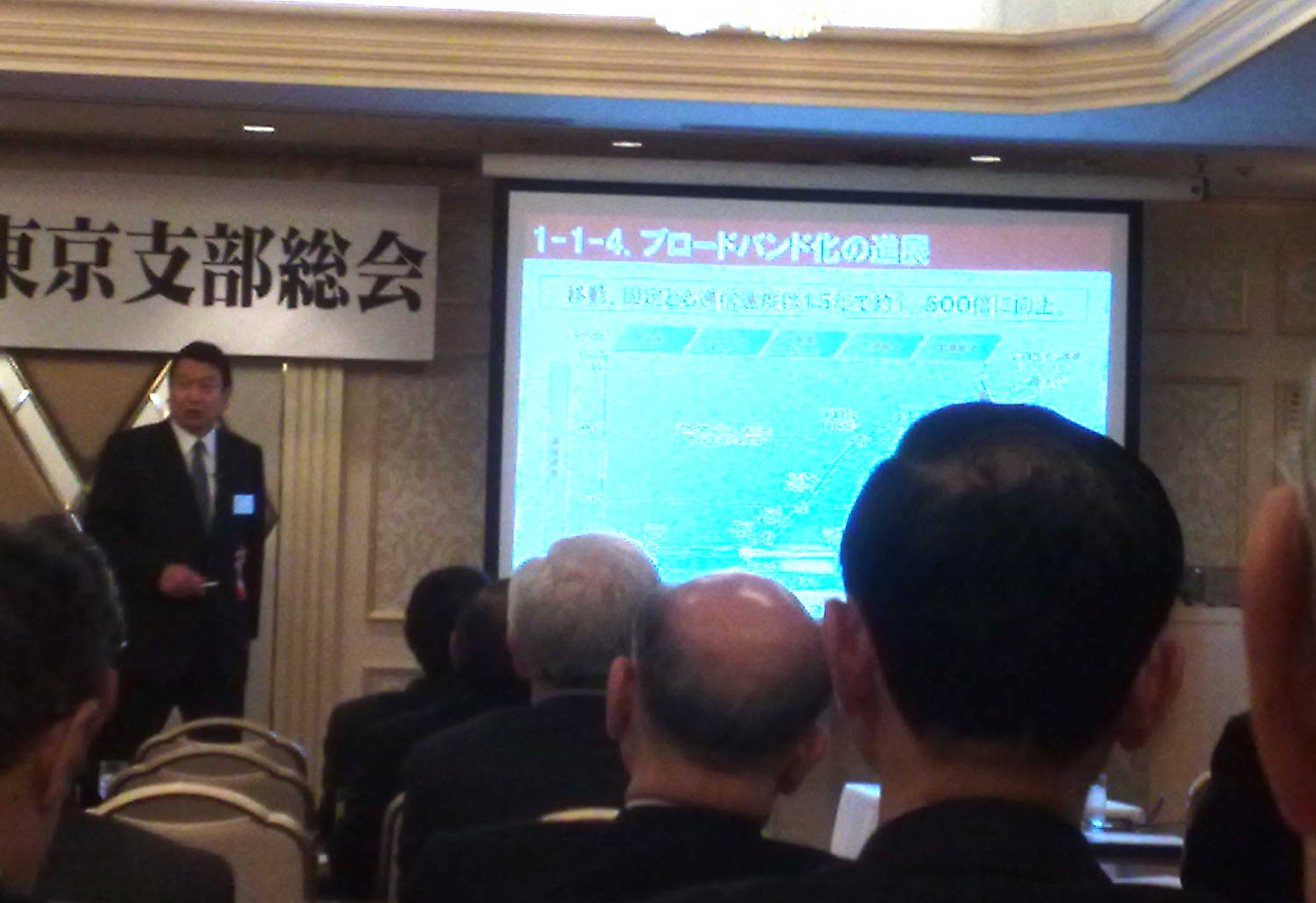
    Last night I attended a meeting for alumni of Osaka University, where I graduated, to see the presentation by Ryuji Yamada, President and CEO of NTT DoCoMo, one of Japan’s mobile phone operators. Mr. Yamada is also a graduate from Osaka University and was invited to this meeting as a guest speaker.

    He talked to us about NTT DoCoMo’s current circumstances, innovation plans and future strategies. He said in advance that the revenue from voice communications was decreasing year by year and so far the loss was not completely compensated yet by the revenue from packet communications, so innovations in packet communication was important. He also added that one of the important things right now was to change policies so as to meet the current situation where mobile communication market in Japan was reaching its full maturity. He said that he had launched the “All-DoCoMo Reform Plans”, where more than 3000 current problems had been collected from every workplace, ranging from R&D divisions to local shops, and the problems had been dealt with 25 project teams for discussion and improvement. Some of the problems were solved by the plans. One of the solutions is a special assurance plan to dispatch an on-site consultant engineer to the customer who complained of dissatisfied signal reception at home, within 48 hours from the time of this customer’s complaint call.

    The most impressive point of his presentation was that mobile devices will be tools for personal activity assistance. Since the first era of them, YOU have done something with them, from voice communications to internet access and electronic wallets. In the future, THEY will do something for you. They will proactively help you do something. One of such solutions already in service is the “i-Concier”, where text messages such as traffic information, weather information, and local event information, are automatically displayed on mobile phone’s screen, according to date, time and phone’s location obtained from antennas communicating with the phone.

    Media for information distribution is, according to his speech, shifting from text-based message to motion videos. He said that, as smart phones was being more and more popular, video would be the key media used for not only entertainment but tourist information, online shopping, navigation, security and medical assistance.

    For such advanced services by smart phones, high network performance is necessary. Mr. Yamada declared that in December 2010 NTT DoCoMo would launch Long Term Evolution, or LTE, a 3.9-generation mobile telephony service, starting with that for the 2GHz band and to extend to that for the 1.5GHz band, and would offer 3G/LTE-dual handsets next year. With LTE terminals, radiowaves can be used approximately 9 times more efficient than current 3G terminals. That is, you can enjoy 9 times smarter services than today’s phones.

    To prevent NTT DoCoMo’s LTE system from making the Galapagos ecosystem, he emphasized that NTT DoCoMo also did international activities more energetically than ever. It founded research and development facilities in Beijing, Europe and the United States, for contribution to standardisation and normalisation in the projects of the 3rd Generation Partnership Project, or 3GPP. At the same time, it’s investing developing countries’ operators like TTSL and TTML in India, in order to help do business with it.

    It’s greatly welcomed that mobile services will evolve to be more advanced and attractive for users. My hope is, as written in the last entry, to accept any terminal I want to use, as long as it meets the basic standards.

    NTTドコモの山田隆持社長の講演を聞いてきました。山田社長は私の卒業した大学の大先輩ということで、大学のOB会の総会に特別講師として来ていただいたのでした。
    OBの総会なんて普段はほとんど人が集まらないんですが、ドコモの社長の講演があるということで今年は例年にない動員数だそうです。

    ということで、山田社長にモバイル業界の動向やドコモの今後の取り組みについて熱く語っていただきました。

    まず、音声通話の収入は年とともに減少していっているとのことで、それをパケット通信の収入では十分に補いきれていない、だからパケット収入が今後の重要な鍵になるとおっしゃっていました。日本の携帯業界は成熟期に移行しつつあるということで、それに応じた方針転換のための「変革とチャレンジ」に今取り組んでいるそうです。その一環として「全ドコモ改革」プランを立ち上げ、研究開発部門から街のドコモショップの現場に至るまで全職場から3000個の課題を拾い上げ、それを25のプロジェクトに分けて議論・解決に向けて取り組んでいるとのこと。そのうちの1つが「48時間以内の訪問対応」。家の中で電波の入りが悪いなどで苦情を言ってきたお客様のもとへ48時間以内にエンジニアを派遣して対応するといったものです。

    一番印象的だったのは、携帯端末はこれから「行動支援」のツールになりつつあるということ。これまでは、通話機能だけからメールができるようになり、ネットにアクセスできるようになり、おさいふケータイが使えるようになっていったりなど、「ケータイで〜ができる」ことを充実させていったんですが、これからは「ケータイが〜してくれる」ツールになるとのこと。その1つの例が「iコンシェル」で、これは端末の日時と位置情報に応じて交通情報や気象情報、近所のイベント情報などが自動的に画面にメッセージとして表示される機能です。

    山田社長によると、情報配信はこれから動画にシフトしていくとのこと。スマートフォンがこれから高機能になればなるほど、動画はエンタテインメントのみならず観光情報や通販、ナビ、警備、医療などの分野でキーとなるだろうとおっしゃっていました。

    そのために、ネットワークのこれまでの3Gから、2010年12月には3.9GのLTEサービスを2GHz帯から始め、1.5GHz帯に拡大し、さらに3Gとのデュアル端末(電話機)を2011年以降に出すと宣言されました。LTEだと、電波の利用効率が3Gの9倍になるとのことで、つまり今の携帯よりも9倍賢いことができるということです。

    ガラパゴス化を避けるため、ドコモは北京と欧州と米国に研究開発拠点を置き、3GPPの標準化、規格化にも精力的に取り組んでいるとのこと。またインドのTTSL社/TTML社に投資をし海外連携も進めているとのことです。
    携帯業界の大御所の方も、居並ぶOBを前にしてはすっかり「大阪のおっちゃん」の語り口。まあ魅力的なサービスがどんどん増えてくれるのは利用者としてはありがたい限りですが、前にも書いたように規格に適合している限り使いたい端末は何でも使えるようにしてもらいたいものです。