日本文が後ろに続きます。
Every year, as December approaches, I make it a personal habit to look back on the past twelve months. Rather than writing a long and detailed summary of everything that happened, I try to distill the year into just a few keywords—short phrases that capture what was new to me, what stayed with me, and what quietly reshaped my daily life. This small ritual helps me see the year not as a blur of events, but as a story with a few clear themes.
Once again, that time of reflection has come. After some thought, I have decided to announce this year’s keywords. There are only two of them this time: “Chot-chan” and “nursing home.” Compared with some past years, this may seem like a short list. Still, these two words carry more meaning for me than their simplicity suggests.
Table of Contents 目次
Keyword one: “Chot-chan”
The first keyword, Chot-chan, comes from a television drama rather than from a personal event. During the first half of this fiscal year, I watched the NHK asadora Chot-chan on BS television. This was not a new program, but a rebroadcast of a series that initially aired in 1987.
When Chot-chan was first broadcast, it was not widely remembered as a particularly outstanding drama. At least, it did not leave a strong impression on me or many others at the time. However, watching it again nearly four decades later turned out to be a surprisingly rich experience.
What struck me most was the strength of the storytelling. The structure of the narrative was carefully crafted, with each episode advancing the story in a steady, believable way. There were very few moments where the plot felt forced or overly convenient. In many television dramas, especially long-running ones, the story can collapse under its own weight, relying on coincidences or unrealistic plot twists. Chot-chan largely avoided these problems, and that restraint made the story feel trustworthy.
Another primary reason Chot-chan stayed with me was the quality of the acting. The series featured many veteran actors from an earlier generation, and their skill was evident in even the smallest scenes. They did not simply deliver lines; they inhabited their characters. Their facial expressions, pauses, and subtle movements added layers of meaning that were never spelled out directly.
The direction also deserves special mention. One detail that impressed me was how naturally the actors moved while speaking. Instead of standing still and taking turns delivering dialogue, as is often the case in television dramas, the characters were usually doing something—cooking, cleaning, walking, or working—while they talked. These small actions made the scenes feel closer to real life, as if the camera had stepped into an ordinary moment rather than a staged performance.
My appreciation for Chot-chan was sharpened by contrast. At the same time this rebroadcast was airing on BS, a different asadora, Anpan, was airing on terrestrial television. Compared side by side, the difference was striking. The newer drama often felt weak in its writing, uneven in acting, and careless in direction. Watching these two shows in parallel made Chot-chan’s strengths stand out even more clearly.
For these reasons, Chot-chan became more than just something I watched to pass the time. It became one of the most memorable experiences of my year, which is why it earned its place as one of my keywords.
Keyword two: “nursing home”
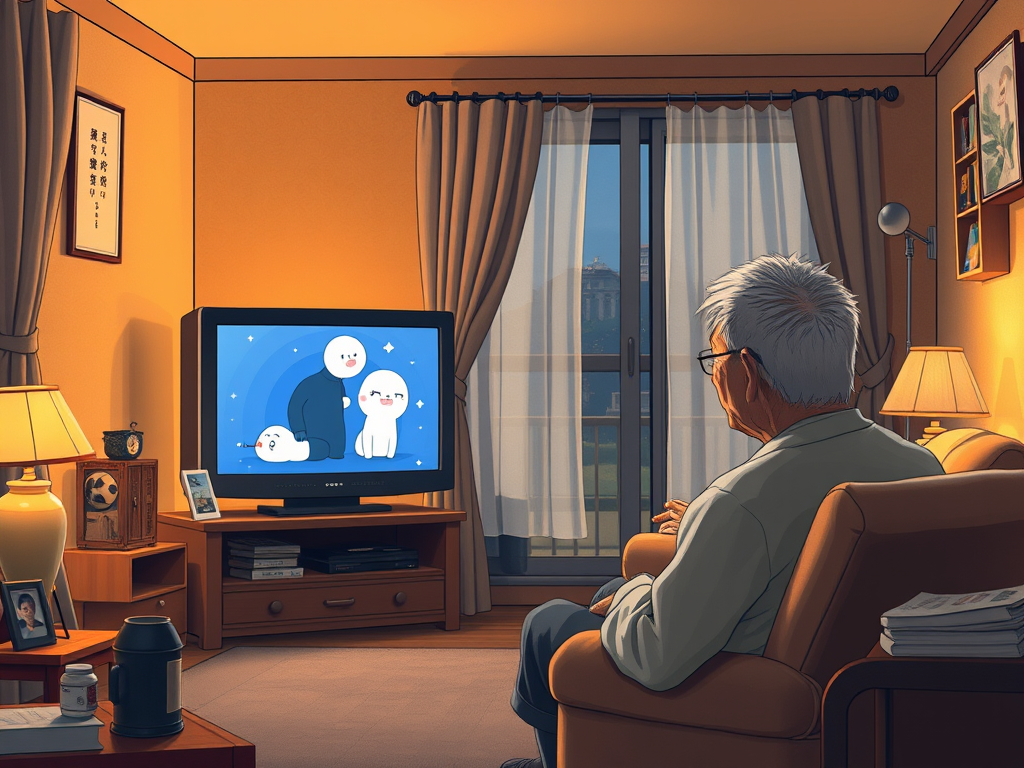
The second keyword, nursing home, is far more personal and much more severe. In March of this year, my father, who is 96 years old, and my mother, who is 91, moved into a nursing home located near their long-time home.
This decision marked a significant turning point, not only for them but also for the rest of our family. Until then, they had continued to live in their own house, supported in various ways by family members. The move changed their daily routines, their surroundings, and their sense of independence. It also changed the lives of my siblings and me.
For my parents, adjusting to life in a nursing home meant adapting to a new rhythm. Scheduled meals, care routines, and interactions with staff and other residents now structure their days. While this environment provides safety and professional support, it also requires letting go of some personal freedom. Watching them navigate this transition has been both reassuring and emotionally complex.
For me, and for my brother and sister who live closer to them, our own lives have also shifted. Visits replaced casual drop-ins. Conversations became more intentional. We now share information about care plans, health updates, and schedules in ways that were never necessary before. Time feels more precious, and ordinary moments carry a new weight.
The word “nursing home” may sound cold or clinical, but for us it has become filled with very human meanings: relief, concern, gratitude, guilt, and acceptance. It represents a stage of life that is unavoidable, yet never easy to face. This year, that really became part of my everyday thinking, and it deserves recognition as one of the defining elements of my year.
Looking back, looking ahead
When I finished choosing these two keywords, I realized something else. This year did not bring me many moments of serendipity. There were fewer unexpected encounters, fewer sudden discoveries, and fewer new interests than in some previous years. As a result, only these two keywords came to mind.
Still, I do not see this as a failure of the year. Some years are about expansion, while others are about depth. This year, I was asked to look closely at a well-made drama from the past and at the quiet, profound changes happening within my own family.
As I close this entry, I hope next year brings more new encounters and more surprising connections. I wish for more keywords and for stories I cannot yet imagine. Until then, these two words—Chot-chan and nursing home—stand as honest markers of where this year took me.
毎年12月が近づくと、私はこの一年を振り返ることを個人的な習慣にしています。起きた出来事をすべて長々と書き連ねるのではなく、その一年を象徴するいくつかのキーワード――私にとって新しかったこと、心に残ったこと、そして日々の生活を静かに形づくったことを表す短い言葉――に凝縮するようにしています。このささやかな儀式のおかげで、一年を雑然とした出来事の集まりとしてではなく、いくつかの明確なテーマをもつ一つの物語として捉えることができます。
今年もまた、その振り返りの時期がやってきました。少し考えた末、今年のキーワードを発表することにしました。今回は二つだけです。「チョッちゃん」と「介護施設」です。過去の年と比べると、ずいぶん短いリストに見えるかもしれませんが、それでもこの二つの言葉はその簡潔さから想像される以上に私にとって多くの意味を含んでいるのです。
キーワード1「チョッちゃん」
最初のキーワードである「チョッちゃん」ですが、今年度の上半期にBSで、1987年に初回放送されたNHKの朝ドラ「チョッちゃん」の再放送を視ました。「チョッちゃん」は、本放送当時、特に傑出した名作として広く記憶されていたわけではなく、少なくとも当時強い印象を残した作品ではなかったと思いますが、約40年近く経ってから改めて視てみると驚くほど味わい深い体験となりました。
最も印象に残ったのは、物語の骨組みが丁寧に作られていて、各話が無理なく、納得感をもってストーリーを前に進めていたところでした。展開が不自然に感じられたり、ご都合主義と感じたりする場面はほとんどありませんでした。多くのテレビドラマは長い作品になると、偶然や非現実的な展開に頼りすぎてストーリーが破綻してしまうことがありますが、「チョッちゃん」はそうした落とし穴を概ね避けており、その抑制が物語全体に信頼感を与えていました。
「チョッちゃん」が強く心に残ったもう一つの大きな理由は俳優たちの演技力です。この作品には往年の名優たちが数多く出演しており、その技量はごく小さな場面にまで表れていました。彼らは単にセリフを口にしているのではなく、役そのものとしてそこに存在していて、表情や間の取り方、さりげない身振りが、言葉で明示されることのない意味の層を作り出していました。
演出について、特に感心したのは、俳優たちがセリフを話す際の自然な動きです。多くのドラマで見られるように棒立ちになって順番にセリフを喋るのではなく、登場人物たちは料理をしたり、掃除をしたり、歩いたり、仕事をしたりしながら会話をしていました。こうした小さな動作が、場面をより現実に近いものにし、作られた芝居というより、日常の一瞬にカメラが入り込んだかのような感覚を生み出していました。
私の「チョッちゃん」への評価は、対比によっていっそう明確になりました。この再放送がBSで流れていた同じ時期に、地上波では別の朝ドラ「あんぱん」が本放送されていましたが、両者を並べて見ると、その差は歴然としていました。新しい方のドラマは、脚本が弱く、演技にばらつきがあり、演出も雑に感じられる場面が少なくありませんでした。二つの作品を同時期に視たことで「チョッちゃん」の長所がより際立って見えたのです。
こうした理由から、「チョッちゃん」は単なる暇つぶしの視聴体験を超え、今年の中でも特に印象深い出来事の一つとなりました。だからこそ、今年のキーワードの一つに選びました。
キーワード2「介護施設」
二つ目のキーワードである「介護施設」は、はるかに個人的で、そしてより重みのあるものです。今年3月、96歳の父と91歳の母が、長年住み慣れた自宅の近くにある介護施設に入居しました。
この決断は、両親にとってだけでなく、私たち家族全体にとっても大きな転機となりました。それまで二人は、自宅で暮らし続け、家族のさまざまな支えを受けながら生活していました。施設への入居は、彼らの日々の生活リズムや環境、そして自立感を大きく変えました。同時に、私やきょうだいたちの生活にも変化をもたらしました。
両親にとって、介護施設での生活に慣れるということは、新しいリズムに適応することを意味します。決められた時間の食事、介護のルーティン、職員や他の入居者との関わりが一日の流れを形づくるようになりました。この環境は、安全と専門的な支援を提供してくれる一方で、ある程度の自由を手放すことも求められます。その移行期を生きる両親の姿を見守ることは、安心感と同時に、複雑な感情を伴う体験でもありました。
私自身、そして彼らの近くに住む兄や姉にとっても、生活は確実に変わりました。ふらりと立ち寄る訪問はなくなり、代わりに「会いに行く」時間が意識的に設けられるようになりました。会話も、より目的意識を持ったものになりました。介護方針や健康状態、予定についての情報を共有することが、これまで以上に必要になったのです。時間はより貴重に感じられ、何気ない瞬間が以前よりも重みを持つようになりました。
「介護施設」というと言葉だけは冷たく事務的なようですが、それは私たちにとって安堵、不安、感謝、後ろめたさ、そして受容といったきわめて人間的な感情に満ちた言葉になったのかなと思います。それは避けることのできない人生の一段階を象徴していますが、決して向き合うのが容易なものではないでしょう。今年、その現実が本当の意味で日常の思考の一部となり、だからこそ、今年を形づくった要素の一つとして記すに値すると感じています。
振り返り、そしてこれから
今年はあまり多くのセレンディピティに恵まれず、予期せぬ出会いや突然の発見、新しい関心事はこれまでの年よりも少なかったように思います。それでも、これを「物足りない一年だった」とは考えていません。広がっていく年もあれば、深みを増していく年もあります。今年は、過去に作られた完成度の高いドラマと、そして自分の家族の中で静かだが深く進行する変化をじっくりと見つめることを求められた一年だったのかなと思います。
来年はより多くの新しい出会いや、思いがけないつながりに恵まれることを願っています。もっと多くのキーワード、そして今はまだ想像もできない物語が生まれることを期待しています。それまでは、この「チョッちゃん」と「介護施設」という二つの言葉が、今年私がたどった道筋を正直に示す印としてここに残ることでしょう。
Leave a Reply